What You'll Learn
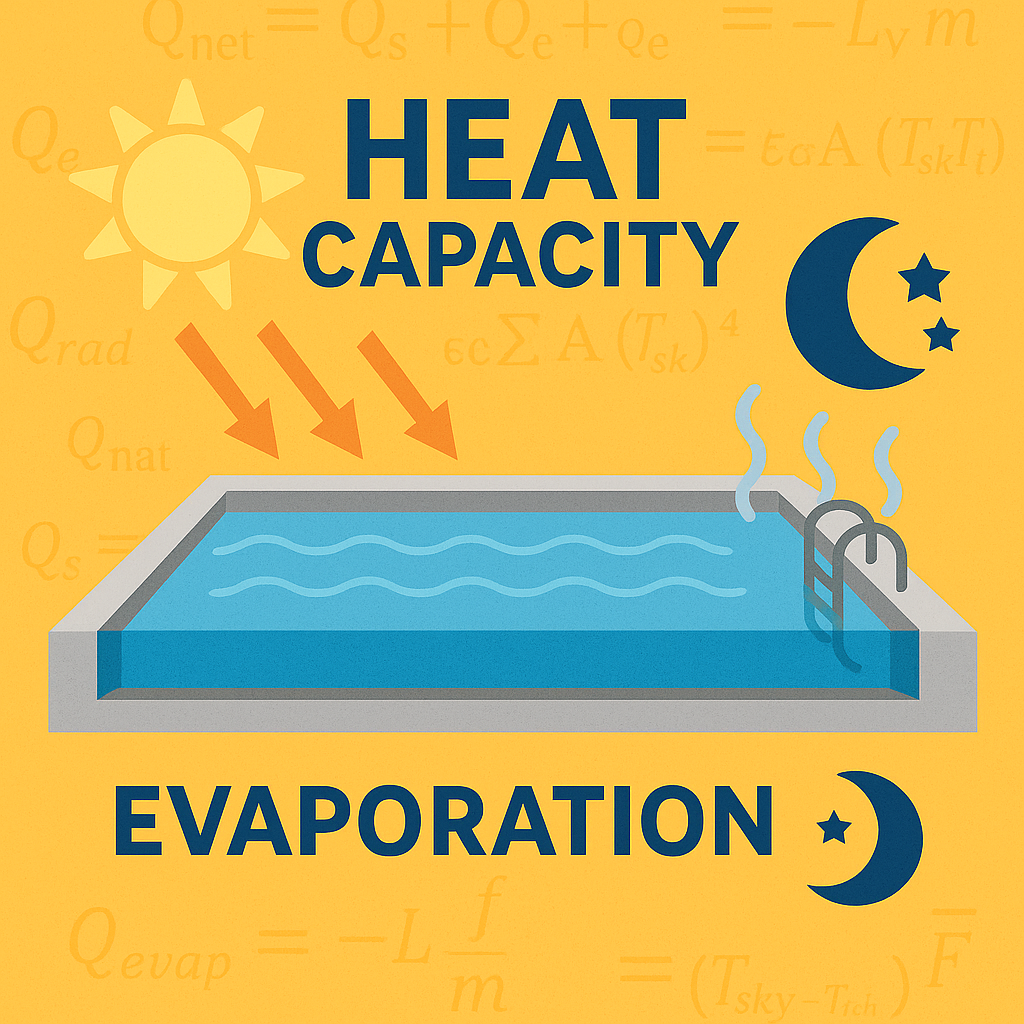
- Why water’s high specific heat makes a swimming pool warm much more slowly than the surrounding air
- Why evaporation can remove heat from water faster than sunlight replaces it
- How convection, radiation, solar absorption, and evaporation combine in a surface energy balance
- How to translate conservation of energy into a Python model of water temperature
- Why covering a pool can dramatically reduce nighttime heat loss
- How simulation can reveal the effects of weather, geometry, and surface conditions on water temperature
What You'll Learn
- When numeric parsing is a better choice than converting numbers to strings
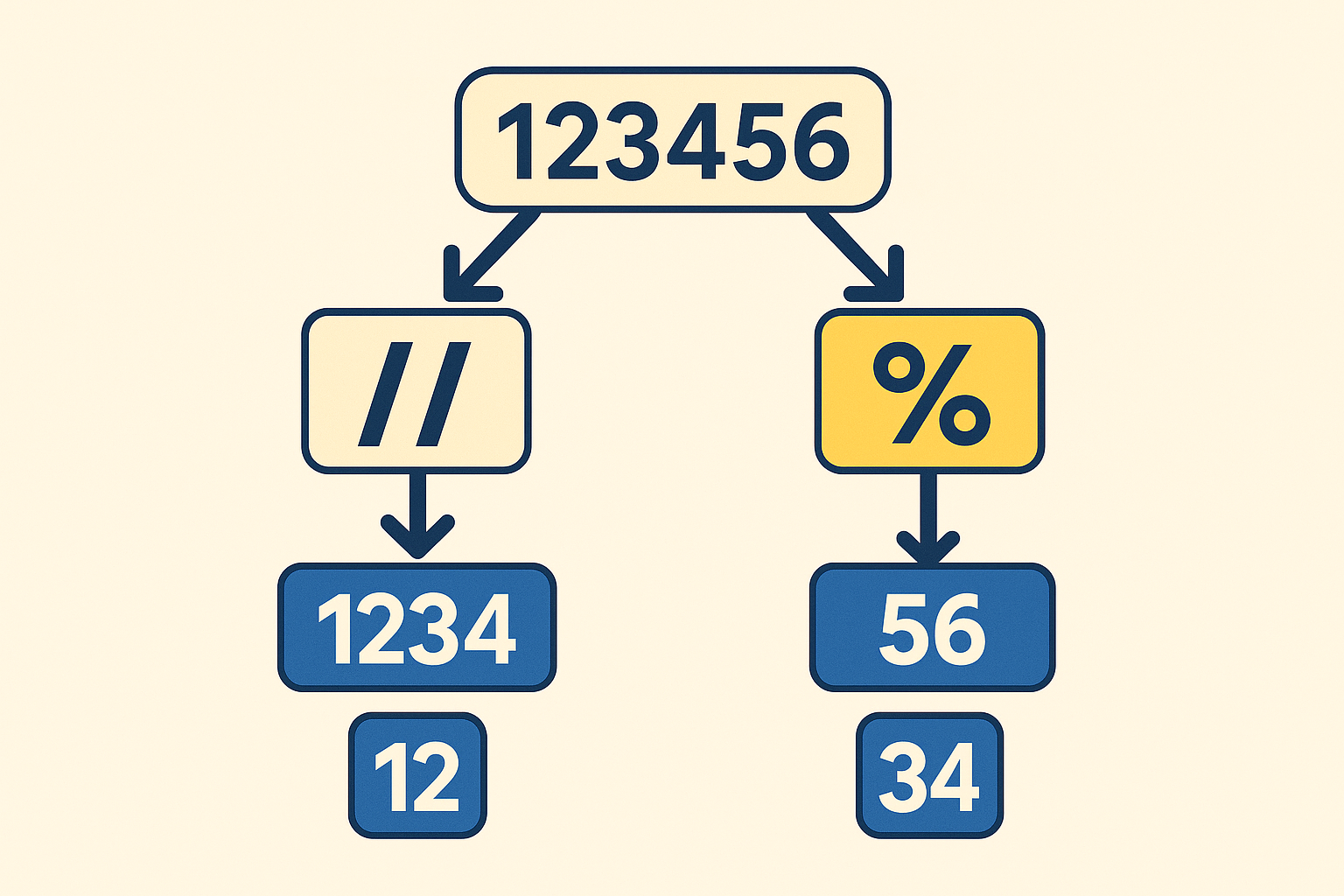
- How integer division removes digits from the right side of a number
- How modulus extracts the rightmost digits from a number
- How to split fixed-width numeric codes into meaningful fields
- How // and % naturally break timestamps into hours, minutes, seconds, and milliseconds
- How to process individual digits numerically for algorithms such as checksums
What You'll Learn
- Why floating-point numbers cannot represent many ordinary decimal values exactly
- How SymPy keeps rational values exact instead of introducing floating-point approximations
- When tolerance checks such as math.isclose are appropriate and when exact math matters
- How symbolic computation can calculate derivatives and solve equations without numerical approximation
- When SymPy is a better choice than NumPy for a mathematical problem
- How SymPy and NumPy complement each other as tools for precision and performance
![]()