What You'll Learn
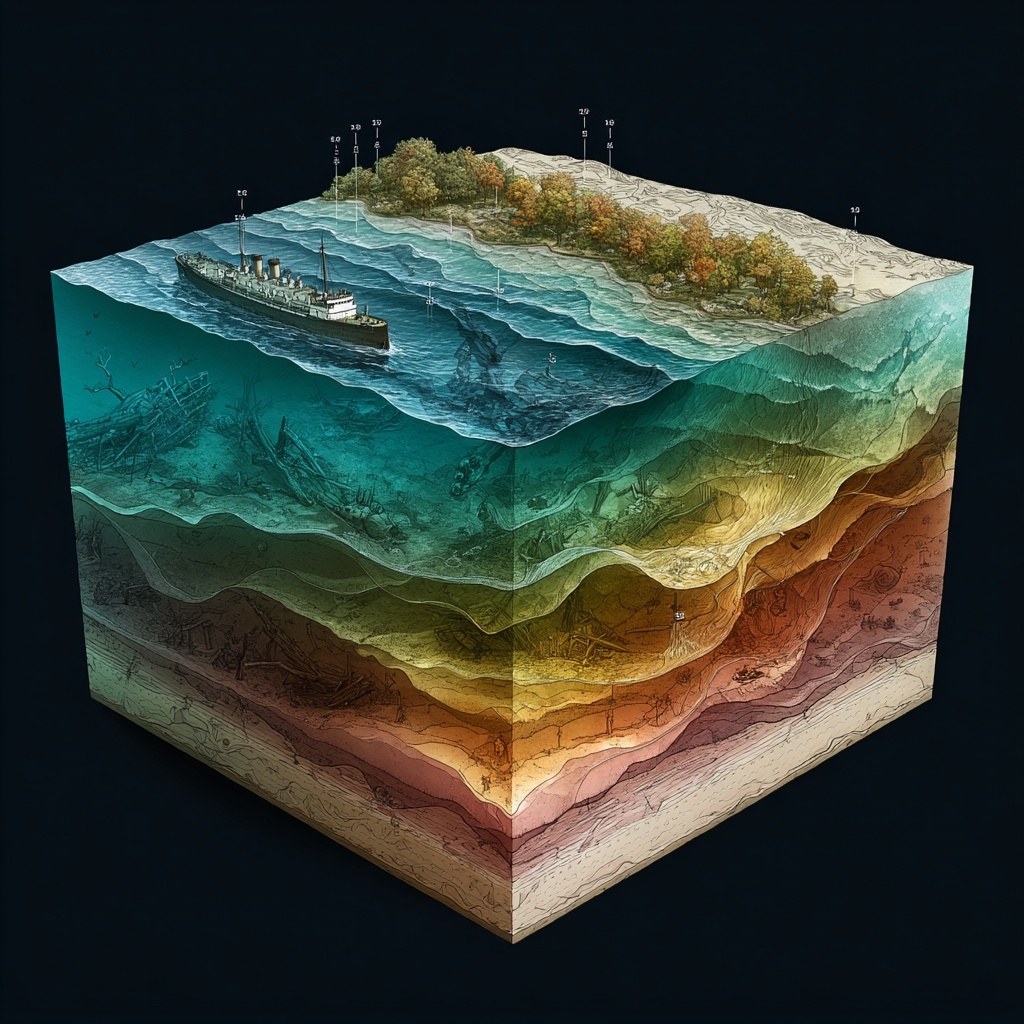
- Why bodies normally resurface after a drowning
- How cold water dramatically slows decomposition
- How water pressure compresses decomposition gases at depth
- How temperature, pressure, and buoyancy interact in Lake Superior
- How Python can model whether a body will ever surface
- Why the Edmund Fitzgerald’s depth creates an extreme preservation environment
What You'll Learn
- Why collisions happen long before an ID space is full
- Why collision risk grows much faster than intuition suggests
- How the birthday paradox applies to computer systems
- How to calculate the probability of an ID collision
- Why the square root of the ID space determines the danger zone
- How 32-bit, 64-bit, and UUID v4 IDs compare
- How generation rate changes the time until collisions become likely
- How to choose an acceptable collision risk for a real system
- How Monte Carlo simulation can validate collision calculations
- How to predict when an ID strategy needs to be replaced
What You'll Learn
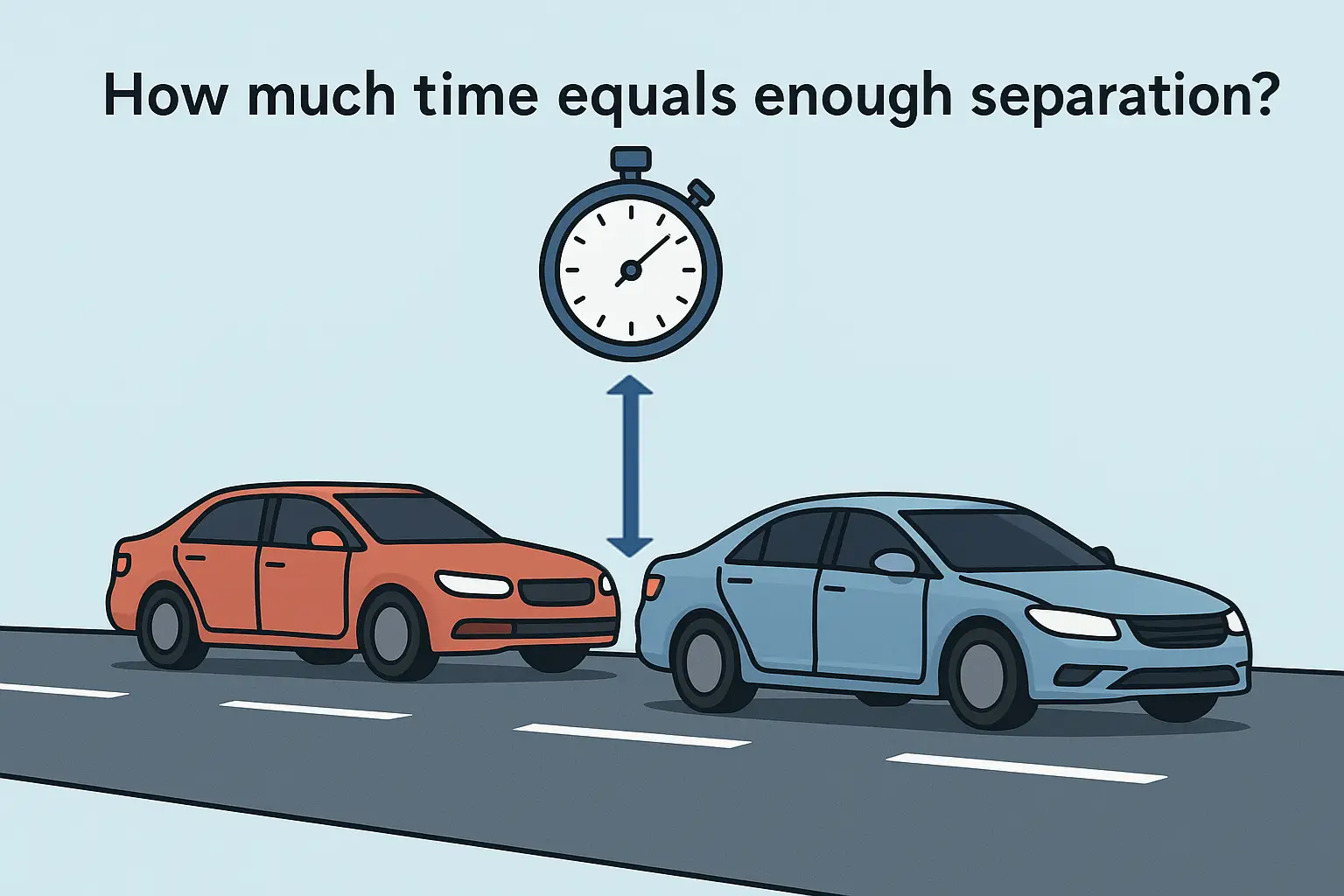
- Why a three-second following gap can be adequate in some situations but dangerously short in others
- How reaction time and braking distance combine to determine the minimum safe following gap
- Why higher speeds require more than a fixed three-second buffer when the lead car stops instantly
- How dry, wet, and icy roads change the amount of time a following driver needs to stop
- How kinematics can turn a familiar driving rule into a mathematical model
- How Python can simulate and visualize safe following times across speeds and road conditions
![]()