4 "Physics" Posts

The Wreck of the Edmund Fitzgerald: Modeling Decomposition in Extreme Environments

Originally appearing on his 1976 album, Summertime Dream, “The Wreck of the Edmund Fitzgerald” is a powerful ballad written and performed by folk singer Gordon Lightfoot . In 1976, the song hit No. 1 in Canada on the RPM chart, and No. 2 in the United States on the Billboard Hot 100. The lyrics are a masterpiece, but there was one specific line that always stood out to me: “The lake, it is said, never gives up her dead.” Following the singer’s death in 2023, the song reconnected with older fans and reached new generations of listeners, making it to No. 15 on Billboard’s Hot Rock and Alternative category.

Listening to it again after all these years, I was inspired to research what that line meant and if there was any truth to it. What I discovered was very illuminating: Lake Superior really doesn’t give up her dead, and the science behind it is as haunting as the song itself.

It turns out that line is not poetic license. It’s physics.

When 29 souls went down with the Edmund Fitzgerald on November 10, 1975, they stayed down. Not because of some mystical property of the Great Lakes, but because of a perfect storm of temperature, pressure, and biology that we can model mathematically.


Note: This post contains scientific discussion of decomposition and forensic pathology in the context of maritime disasters.


“The lake, it is said, never gives up her dead / When the skies of November turn gloomy”

Read more →

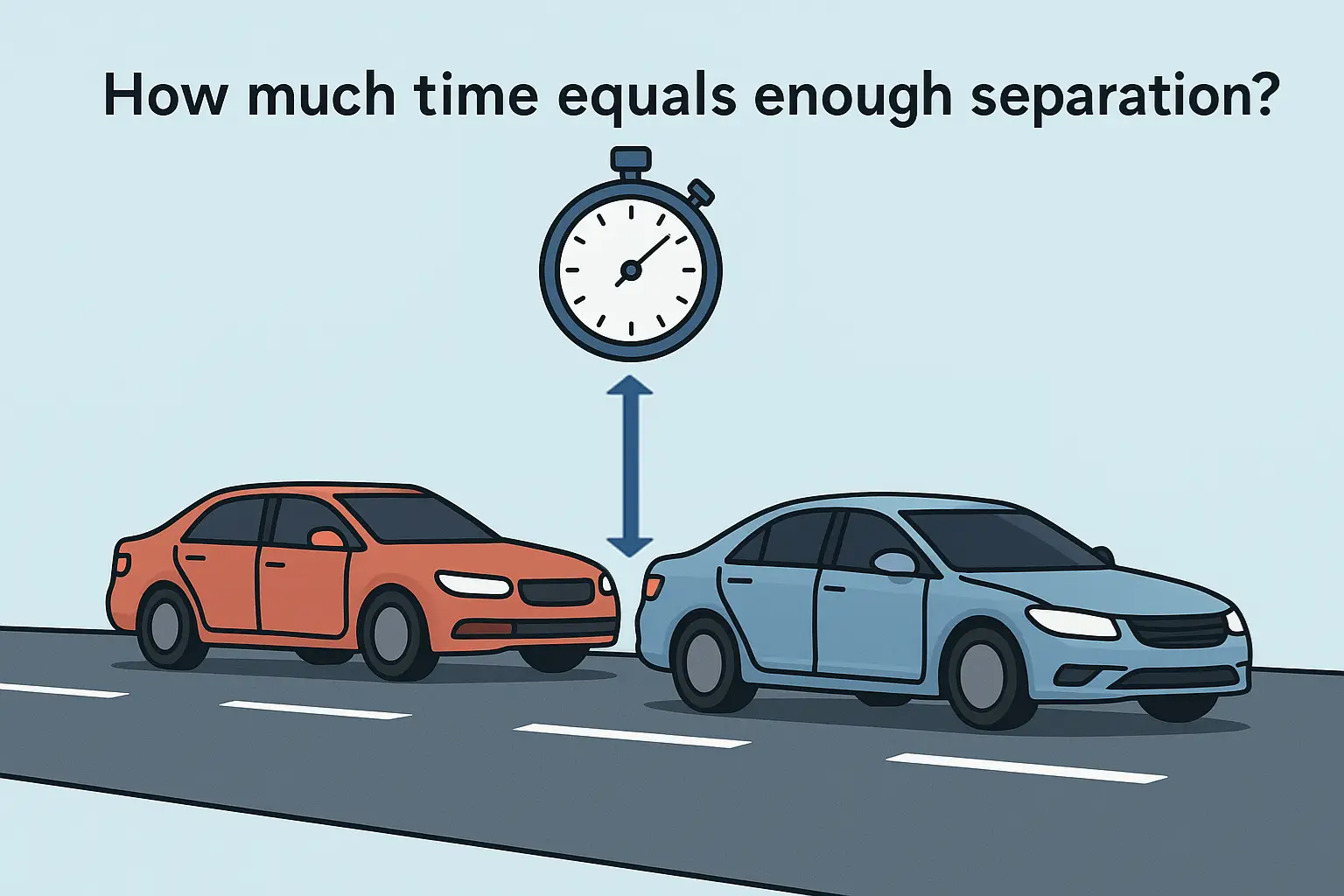
Rethinking the Three-Second Traffic Rule: When Physics Says It’s Not Enough

While researching why car insurance rates are so extremely high in Las Vegas, I started thinking about the three-second rule and its validity. As I’ve always heard, the three-second rule refers to how far you should be behind a car in traffic. The idea is that you pick out a fixed roadside marker and you are supposed to pass that marker at least three seconds after the car in front of you. That rule is simple enough, yet deceptively deep once you unpack the physics.


“Three seconds is a rule of thumb. Physics reveals the truth.”


Read more →

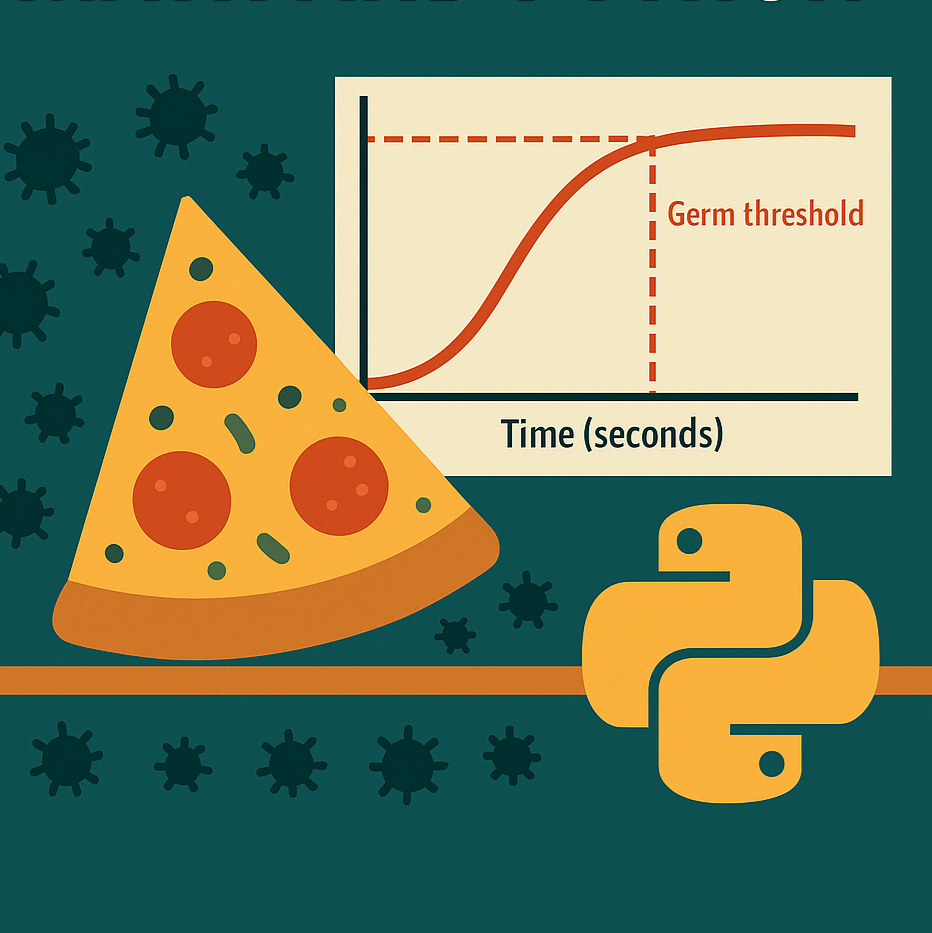
The Five-Second Rule Explored with Math & Python

You know the story: drop a cookie on the kitchen floor, swoop in before five seconds are up, and declare it safe. It is comforting. It is also wrong.


“Germs don’t wait five seconds. They start the party the instant your food hits the floor.”


The truth is much more interesting than the myth. Germs do transfer gradually, but they are especially fast at the beginning. That means if you want to know whether your floor-cookie is still edible, you need to think in curves, not in timers. And curves are something we can model.

Read more →

Should You Walk or Run in the Rain? The Puzzle That Sparked a Passion

To walk or to run. That is the question. Early in my programming career, I came across a coding challenge that stuck with me for many years: “If it’s raining, will you stay drier by walking or running through it?” At the time, I didn’t have the skillset or tools to simulate the problem properly. It became one of the first exercises that nudged me toward a lifelong fascination with modeling the real world through code.

Read more →