8 "AI" Posts

How Large Language Models (LLMs) Think: Turning Meaning into Math

When you enter a sentence into a Large Language Model (LLM) such as ChatGPT or Claude , the model does not process words as language. It represents them as numbers.

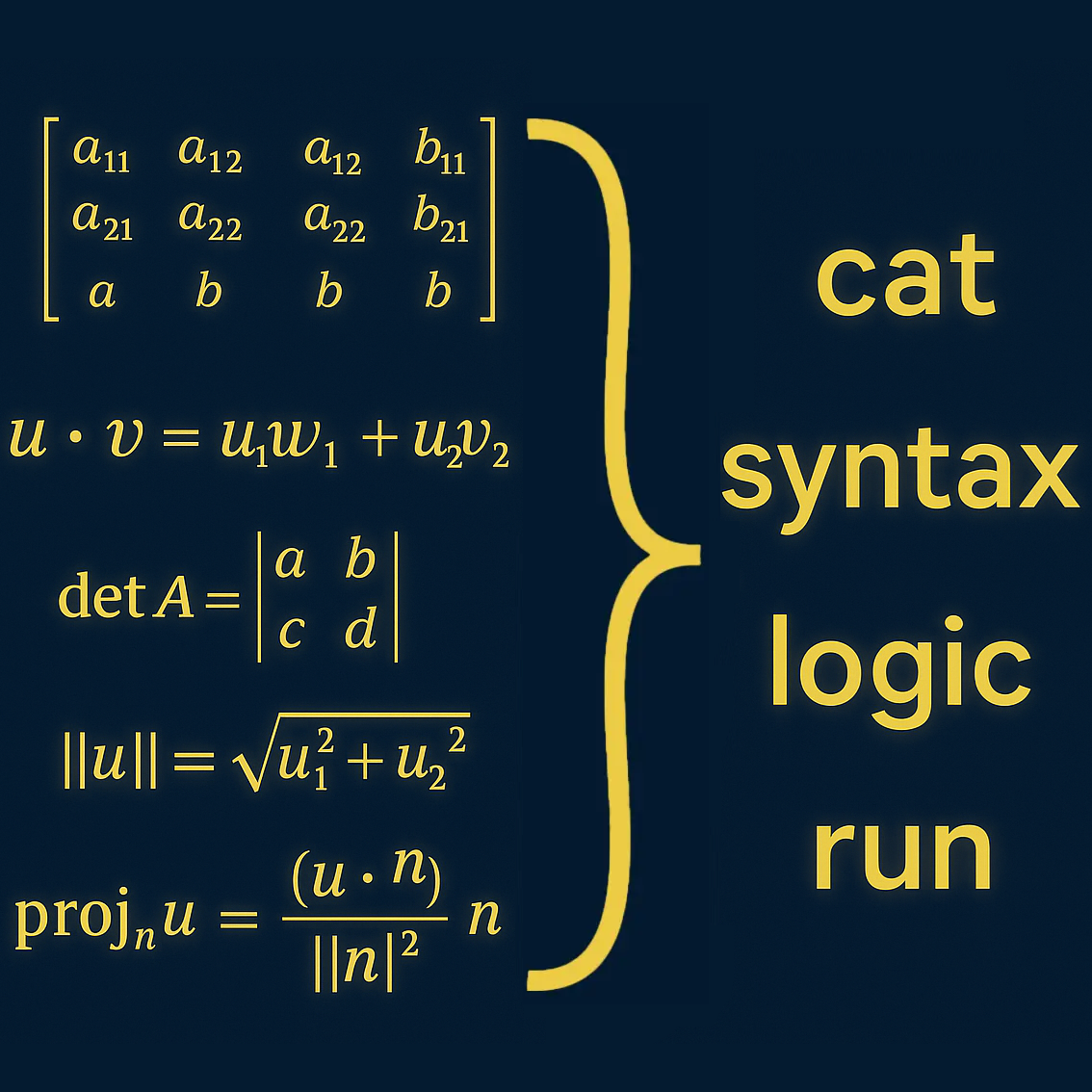
Each word, phrase, and code token becomes a vector — a list of real-valued coordinates within a high-dimensional space. Relationships between meanings are captured not by grammar or logic but by geometry. The closer two vectors lie, the more similar their semantic roles appear to the model.

This is the mathematical foundation of large language models: linear algebra. Matrix multiplication, vector projection, cosine similarity, and normalization define how the model navigates this vast space of meaning. What feels like understanding is actually the alignment of high-dimensional vectors governed by probability and geometry.


“Linear algebra and geometry do more than support AI; they create its language of meaning.”

Read more →

How Large Language Models (LLMs) Read Code: Seeing Patterns Instead of Logic

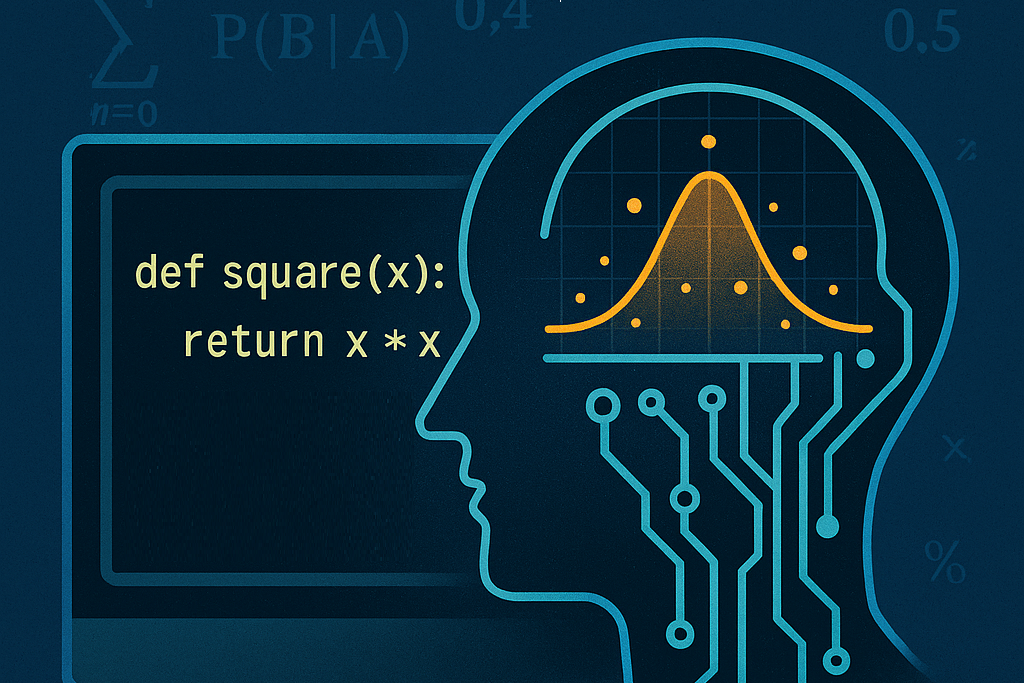
Developers are accustomed to thinking about code in terms of syntax and semantics, the how and the why. Syntax defines what is legal; semantics defines what it means. A compiler enforces syntax with ruthless precision and interprets semantics through symbol tables and execution logic. But a Large Language Model (LLM), reads code the way a seasoned engineer reads poetry, recognizing rhythm, pattern, and context more than explicit rules.


“When an AI system ‘understands’ code, it is not executing logic; it is modeling probability.


Read more →

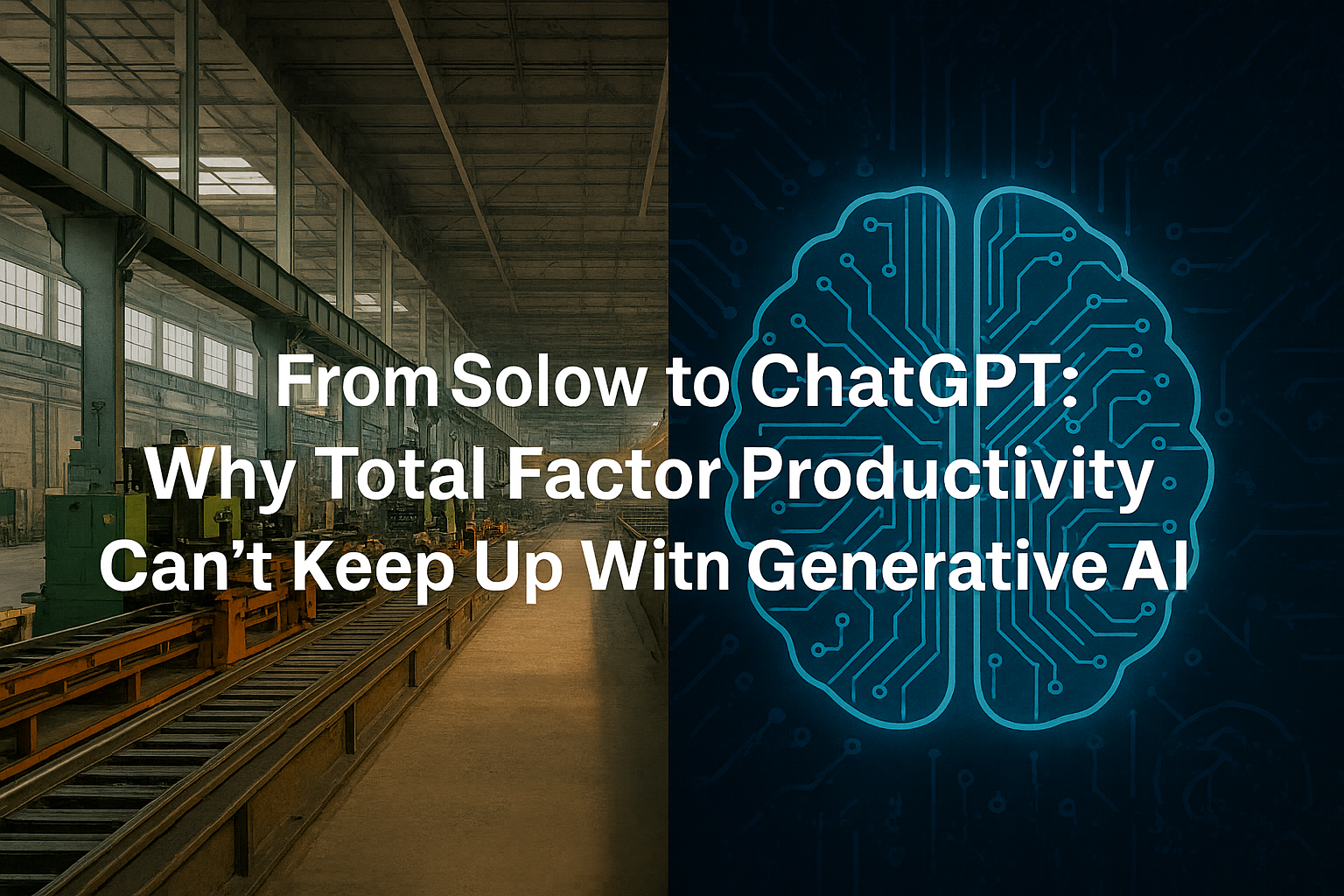
From Solow to ChatGPT: Why Total Factor Productivity Can't Keep Up With Generative AI

If ChatGPT can write code, summarize legal briefs, and help draft business strategies in seconds, why doesn’t that show up in our productivity statistics?

Economists have long relied on a metric called Total Factor Productivity (TFP) to measure technological progress. But in an era of free digital tools and generative AI, TFP looks more like a rearview mirror than a windshield. It tells us a lot about the past, but almost nothing about where the economy is headed.


You can see the computer age generative AI everywhere but in the productivity statistics.

(Adapted from Robert Solow, 1987)


Read more →