What You'll Learn
- Why deeply nested validation logic becomes difficult to read and maintain
- How guard clauses improve control flow but can still create repetitive validation code
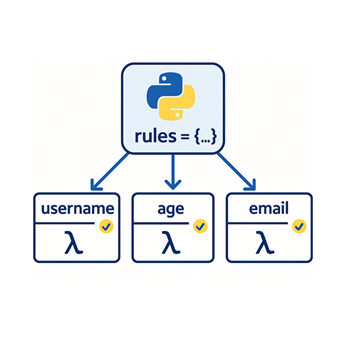
- What a dispatch table is and how Python dictionaries make the pattern easy to implement
- How lambda functions can pair validation rules with their corresponding error messages
- How a single loop can evaluate many validation rules without adding more control flow
- Why dispatch tables make validation code easier to extend, read, and maintain
What You'll Learn
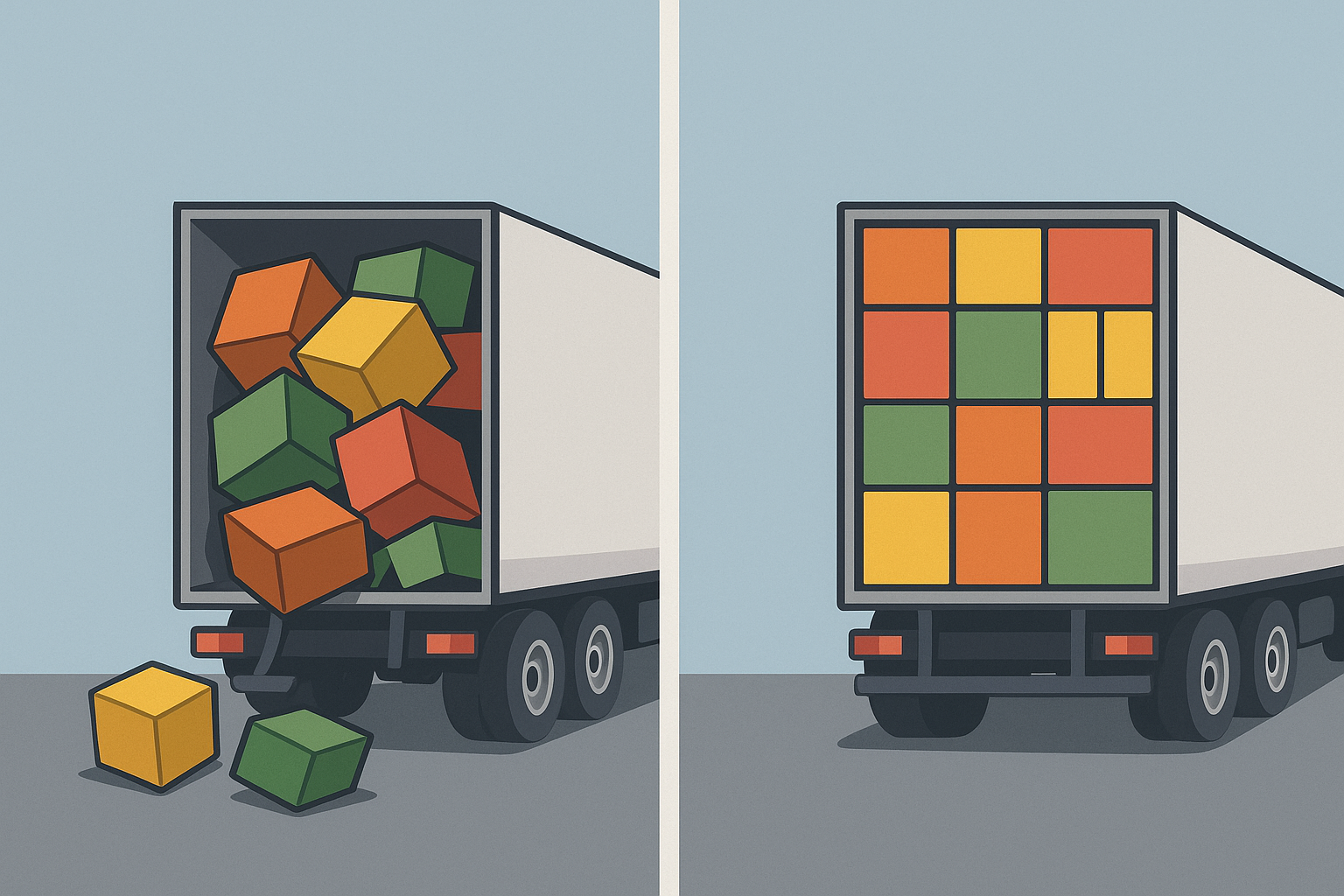
- Why loading a truck efficiently is a difficult 3D optimization problem
- Why NP-hard problems usually require practical heuristics instead of perfect solutions
- How box dimensions, orientation, weight, and truck boundaries become constraints in a packing model
- How a greedy Python algorithm can build a workable packing plan
- How 3D visualization helps reveal overlaps, wasted space, and placement mistakes
- How more advanced techniques can improve packing efficiency when simple heuristics are not enough
What You'll Learn
- What Total Factor Productivity measures and why economists use it to estimate technological progress
- Why free and inexpensive digital tools can create real value without appearing clearly in productivity statistics
- Why the benefits of new technologies often arrive before traditional economic measures can detect them
- How generative AI resembles the productivity paradox that accompanied the rise of computers
- Why time savings and faster innovation may reveal AI’s economic impact better than TFP alone
- How measuring human and AI capabilities together could change the way we think about productivity
![]()