What You'll Learn
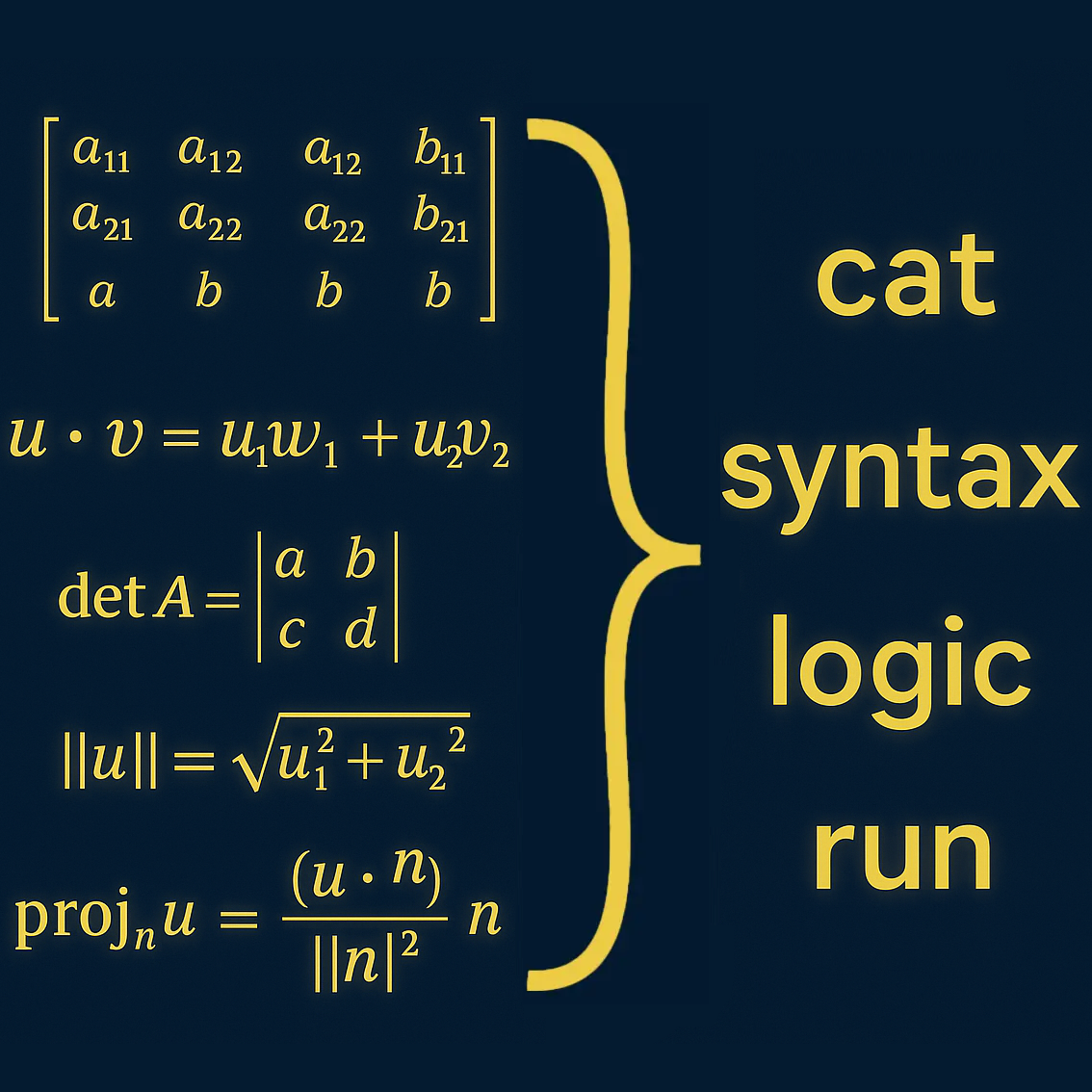
- How an LLM turns words and tokens into numerical vectors it can process
- How distance and direction in embedding space can represent relationships in meaning
- Why linear algebra and geometry are two ways of describing the same internal structure
- How matrix operations transform information as it moves through a model
- Why high-dimensional spaces can represent many subtle features of language at once
- How probability guides a model from its current context toward the next token
What You'll Learn
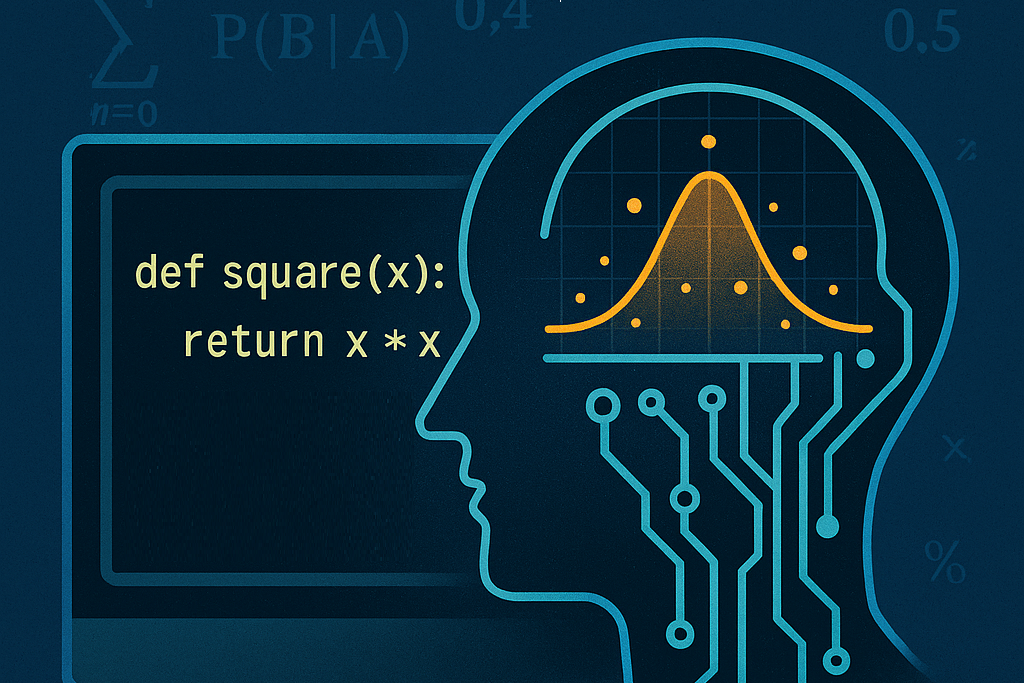
- How an LLM reads code differently from a compiler or a human developer
- Why models recognize programming patterns instead of executing the code they see
- How embeddings let an LLM associate code with similar structures and meanings
- Why comments, variable names, and familiar coding idioms can change a model’s interpretation
- How statistically likely code can still be logically or operationally wrong
- Why combining generative AI with compilers and static analysis produces safer coding tools
What You'll Learn
- When numeric parsing is a better choice than converting numbers to strings
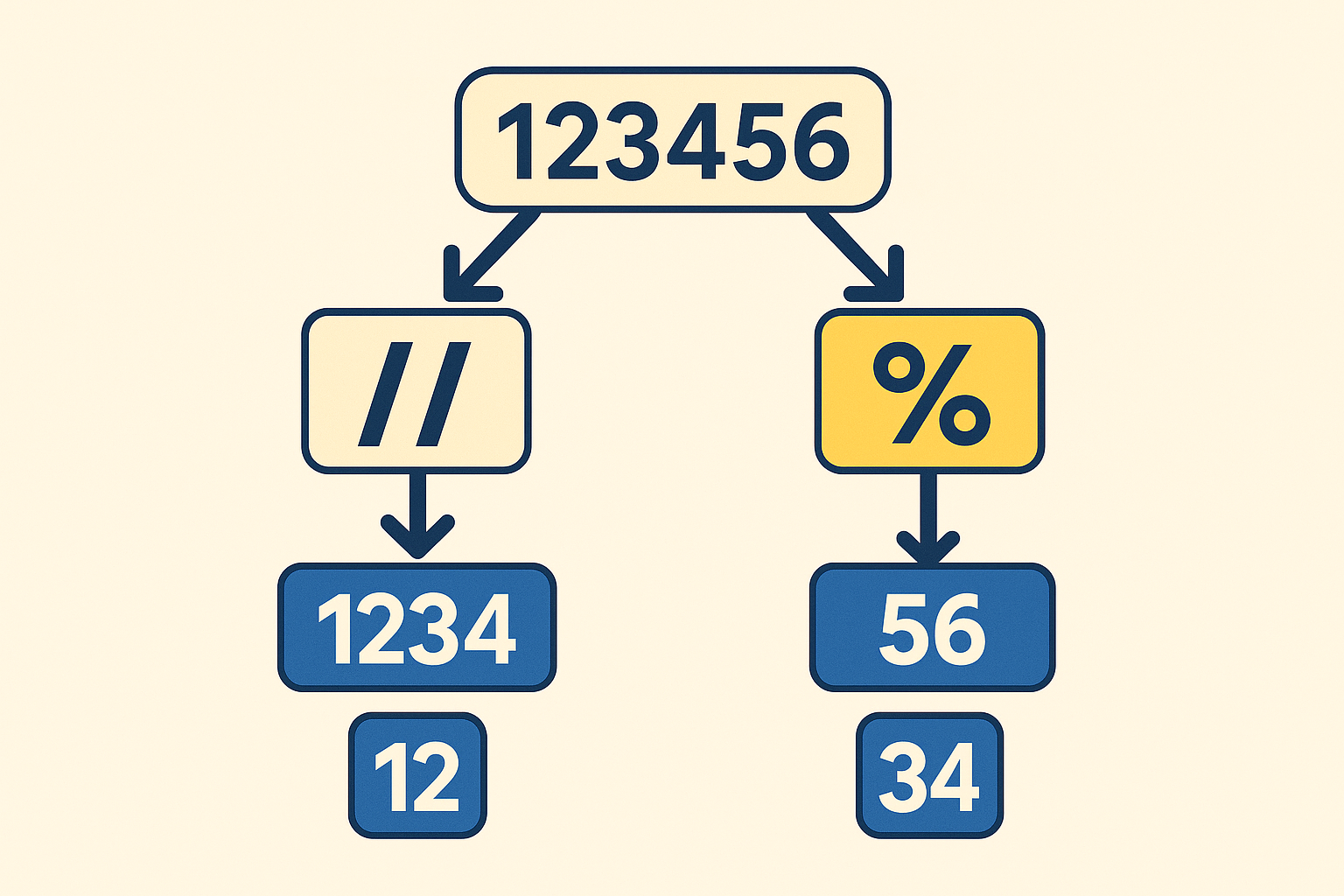
- How integer division removes digits from the right side of a number
- How modulus extracts the rightmost digits from a number
- How to split fixed-width numeric codes into meaningful fields
- How // and % naturally break timestamps into hours, minutes, seconds, and milliseconds
- How to process individual digits numerically for algorithms such as checksums
![]()