What You'll Learn
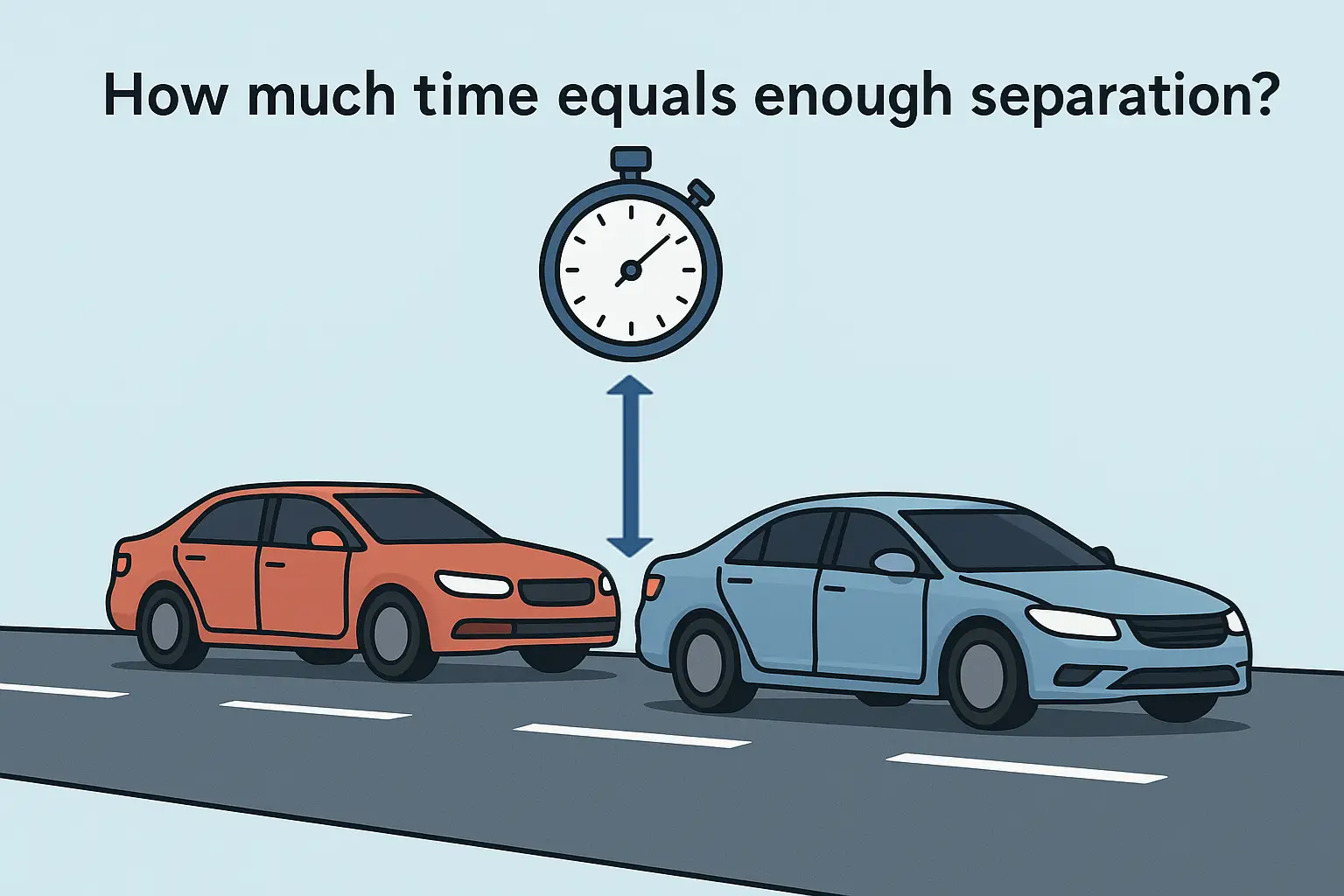
- Why a three-second following gap can be adequate in some situations but dangerously short in others
- How reaction time and braking distance combine to determine the minimum safe following gap
- Why higher speeds require more than a fixed three-second buffer when the lead car stops instantly
- How dry, wet, and icy roads change the amount of time a following driver needs to stop
- How kinematics can turn a familiar driving rule into a mathematical model
- How Python can simulate and visualize safe following times across speeds and road conditions
What You'll Learn
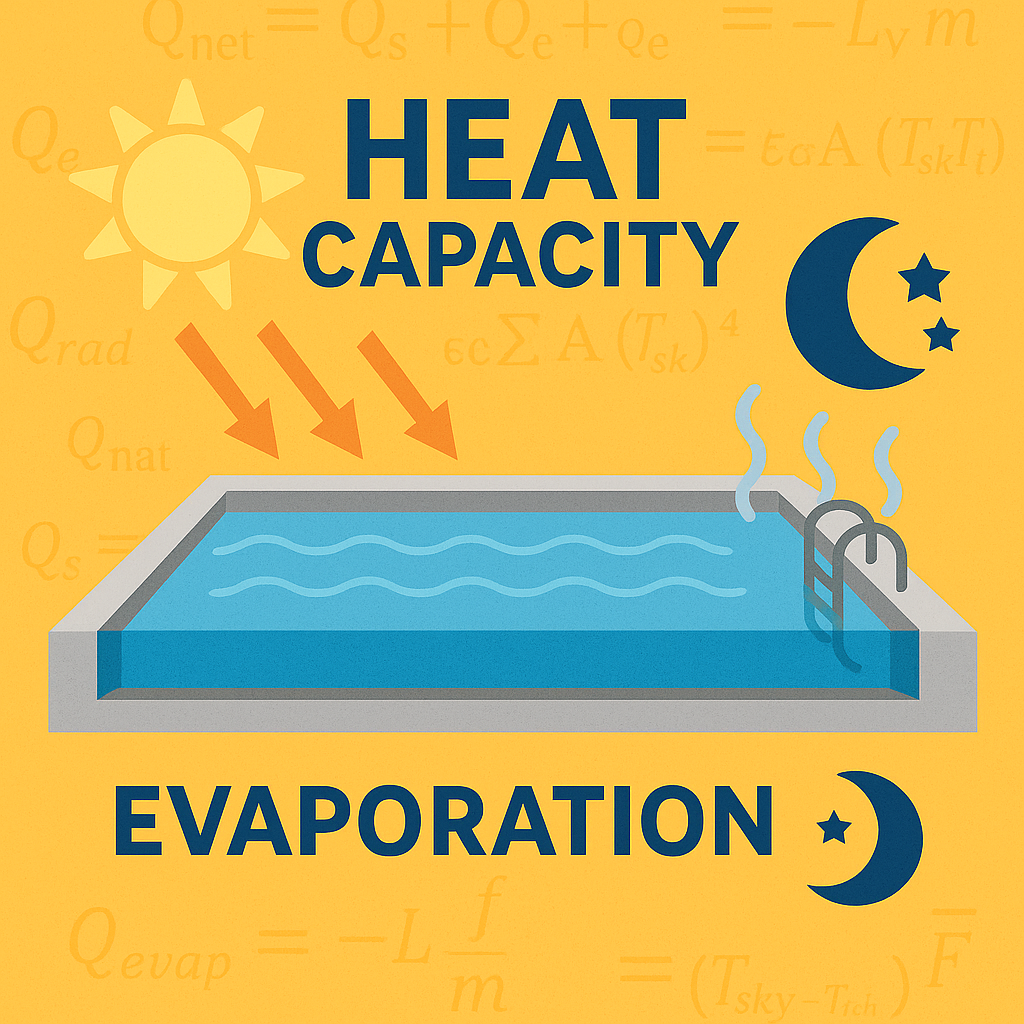
- Why water’s high specific heat makes a swimming pool warm much more slowly than the surrounding air
- Why evaporation can remove heat from water faster than sunlight replaces it
- How convection, radiation, solar absorption, and evaporation combine in a surface energy balance
- How to translate conservation of energy into a Python model of water temperature
- Why covering a pool can dramatically reduce nighttime heat loss
- How simulation can reveal the effects of weather, geometry, and surface conditions on water temperature
What You'll Learn
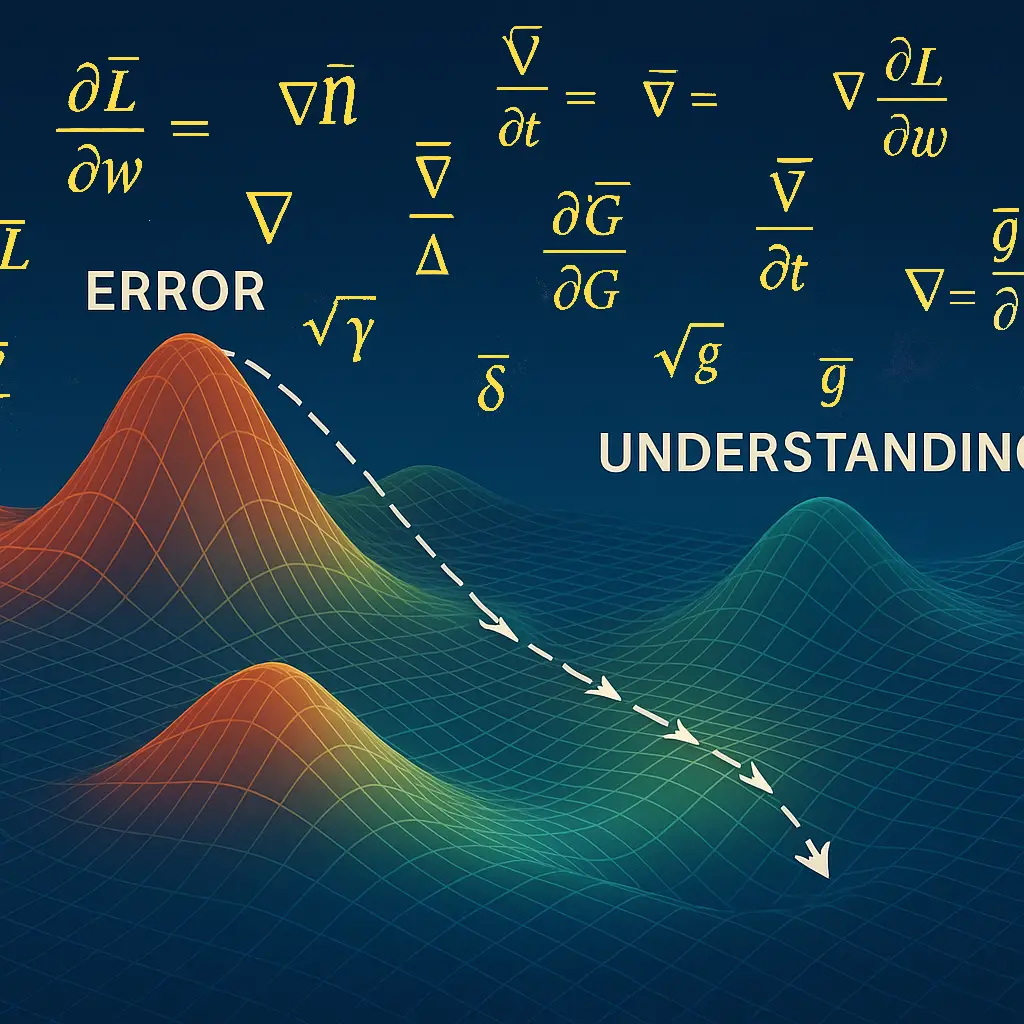
- How derivatives tell a model which direction will reduce its prediction error
- How gradient descent turns billions of small corrections into learning
- How backpropagation uses the chain rule to assign error across many layers
- Why the learning rate controls the balance between fast progress and stable training
- Why noisy mini-batch updates can help a model generalize instead of memorize
- How transformers keep gradients stable while learning which patterns deserve attention
![]()