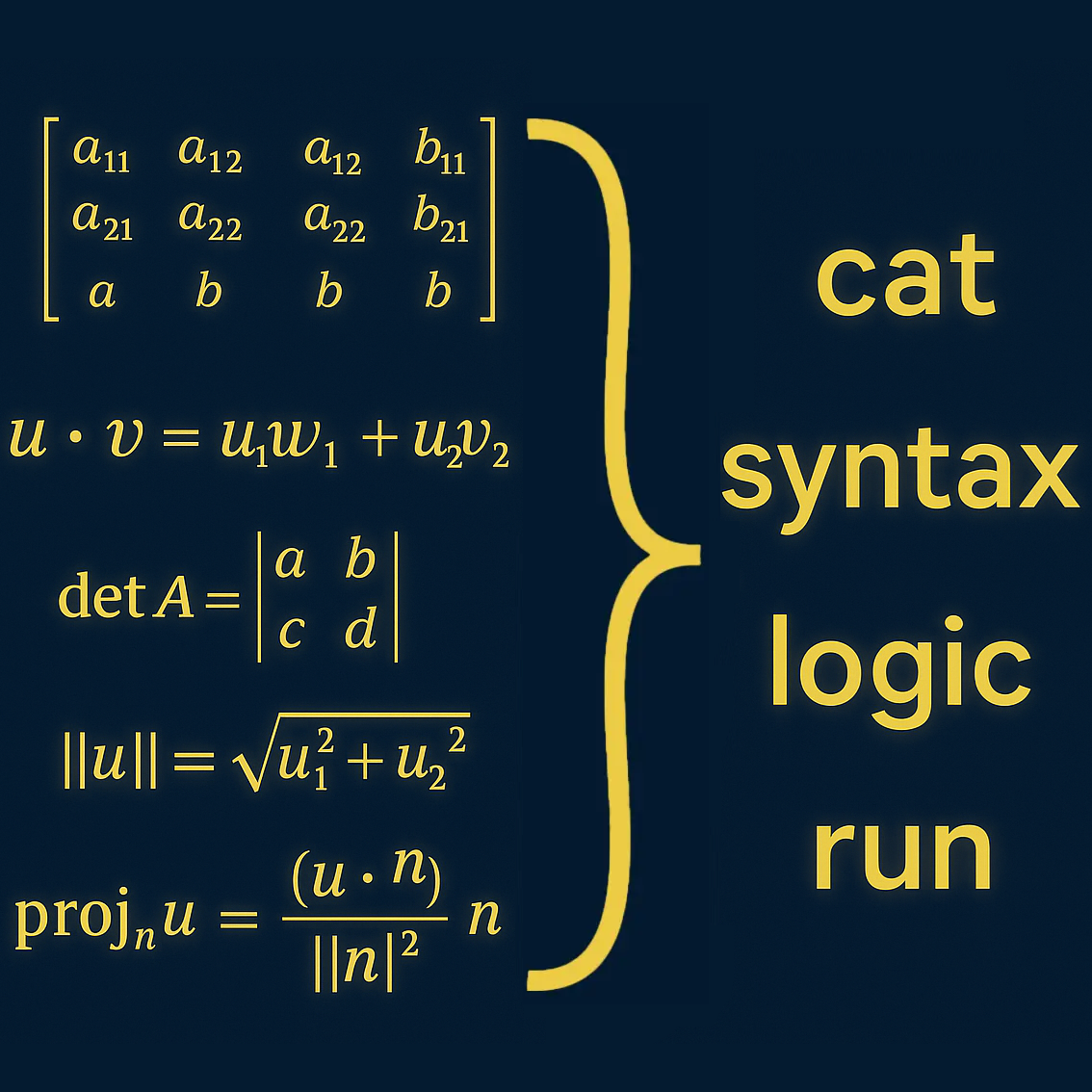
How Large Language Models (LLMs) Read Code: Seeing Patterns Instead of Logic

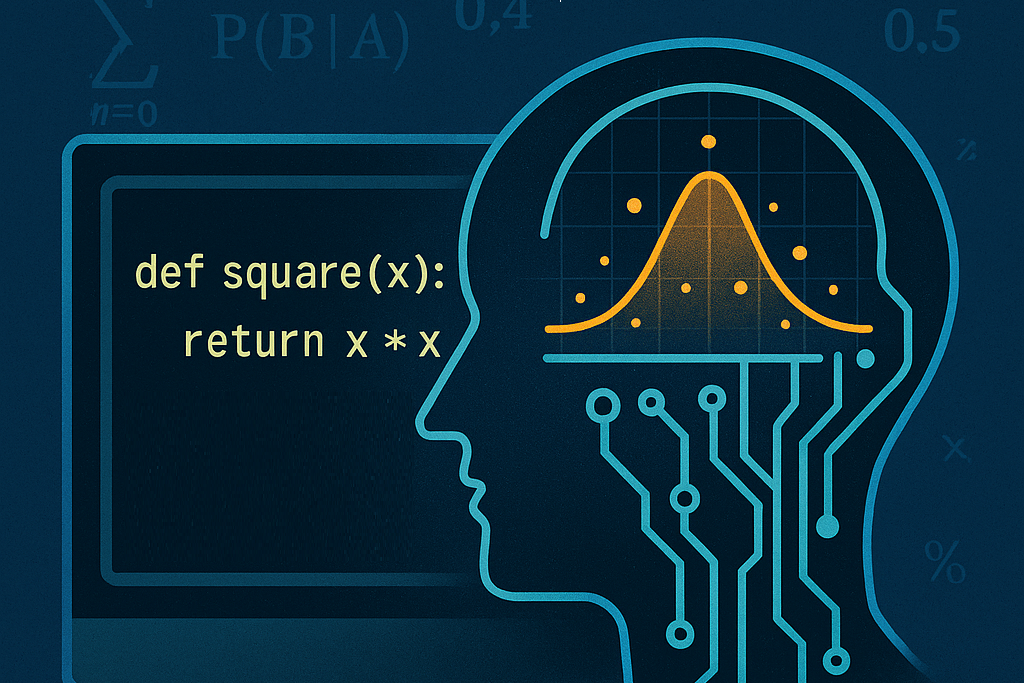
Developers are accustomed to thinking about code in terms of syntax and semantics, the how and the why. Syntax defines what is legal; semantics defines what it means. A compiler enforces syntax with ruthless precision and interprets semantics through symbol tables and execution logic. But a Large Language Model (LLM), reads code the way a seasoned engineer reads poetry, recognizing rhythm, pattern, and context more than explicit rules.


“When an AI system ‘understands’ code, it is not executing logic; it is modeling probability.


Read more →

Numeric Parsing in Python with Integer Division and Modulus

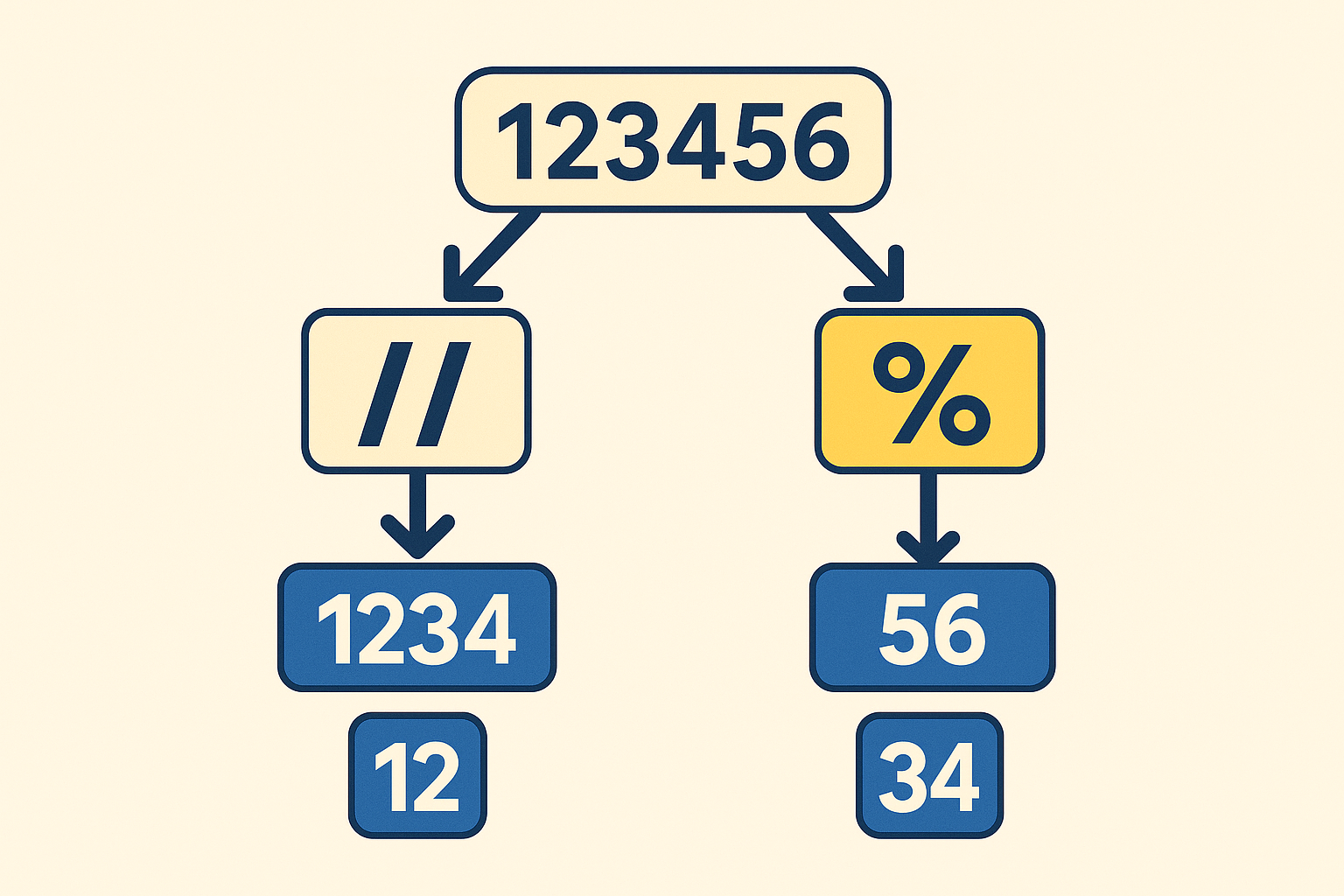
When you need to parse a number, the first instinct is often to convert it to a string and slice it. That works well for data that comes from people — like phone numbers, credit cards, or postal codes — where formatting and leading zeros matter. But when you are working with raw numeric data that is guaranteed to be fixed-width and free of formatting, numeric parsing with integer division (//) and modulus (%) is the better option.


String parsing is flexible, but numeric parsing is faster and cleaner when the data is truly numeric.


Read more →

Using SymPy in Python When NumPy Isn't Enough

Most of us reach for NumPy whenever math shows up in a project. But sometimes, you don’t want approximate answers, you want exact math. That’s when you pull SymPy out of your programmer’s toolkit and get to work.

It’s easy to think of SymPy only in academic terms, like running physics simulations where small rounding errors can snowball into nonsense, or checking algebraic identities where a value such as 0.0000001 should really be treated as exactly 0. Those are valid use cases, but they barely scratch the surface.

In real-world business applications, imprecision can be just as costly. Financial software is the most obvious example, where a few pennies lost to rounding errors can add up to millions at scale. Supply chain and logistics systems can also suffer when tolerances or unit conversions drift slightly off, leading to incorrect shipments or mismatched inventory. Even common scenarios such as pricing models or tax calculations can go sideways if the math behind them is not exact.


“Floats guess. SymPy knows.”


This is where SymPy shines. To see the difference between floating-point approximations (Python or NumPy) and symbolic precision (SymPy), let’s look at a simple but very real example from finance.

Read more →

The Five-Second Rule Explored with Math & Python

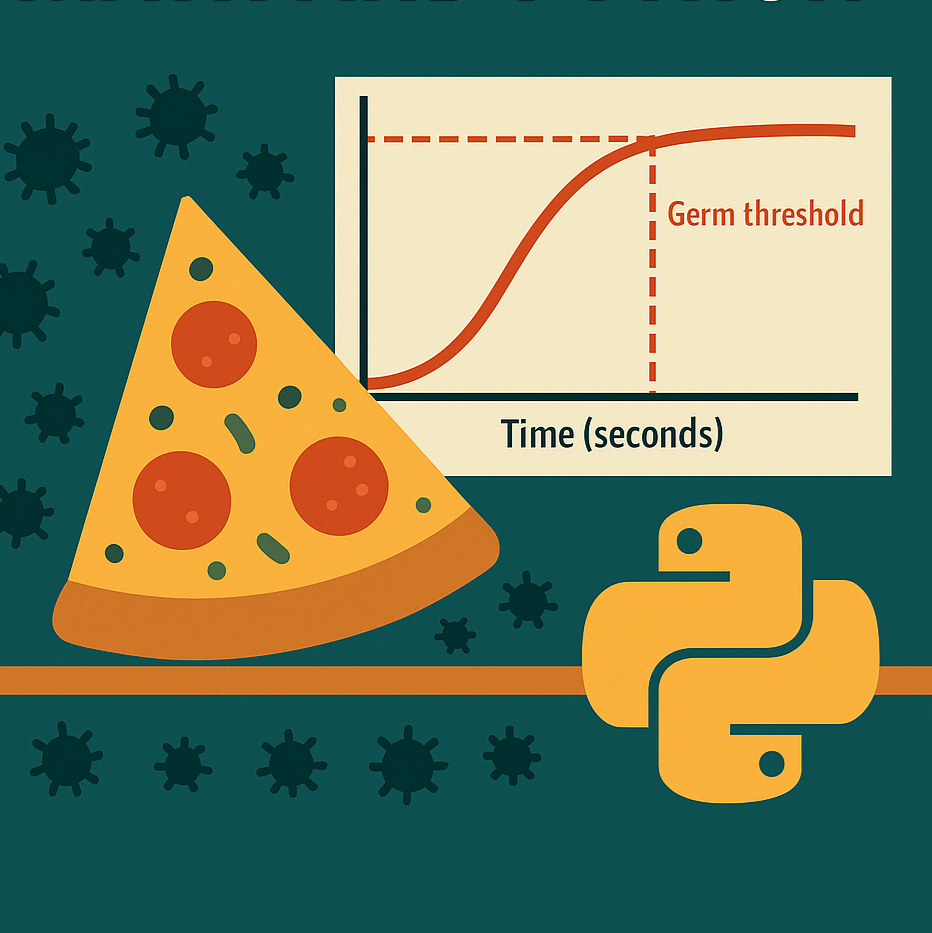
You know the story: drop a cookie on the kitchen floor, swoop in before five seconds are up, and declare it safe. It is comforting. It is also wrong.


“Germs don’t wait five seconds. They start the party the instant your food hits the floor.”


The truth is much more interesting than the myth. Germs do transfer gradually, but they are especially fast at the beginning. That means if you want to know whether your floor-cookie is still edible, you need to think in curves, not in timers. And curves are something we can model.

Read more →

The Meeting Diet: An Optimization Approach to Your Calendar

Every week your calendar fills with more meeting invites than you can reasonably handle. Which ones are worth the time and energy, and which should you politely decline? What if there was a way to quantify that choice?


“Your calendar is a knapsack. Every meeting takes space, but only some add enough value to justify carrying them.”


The good news: math can help. By modeling your schedule as a 0/1 knapsack problem with two constraints , you can treat meetings like items with value, time cost, and energy cost. Classic optimization techniques then help decide which meetings to attend. In this post, we’ll walk through framing the problem, prompting AI to scaffold the code, and running a simulation to visualize your optimal “meeting diet.”

Read more →