What You'll Learn
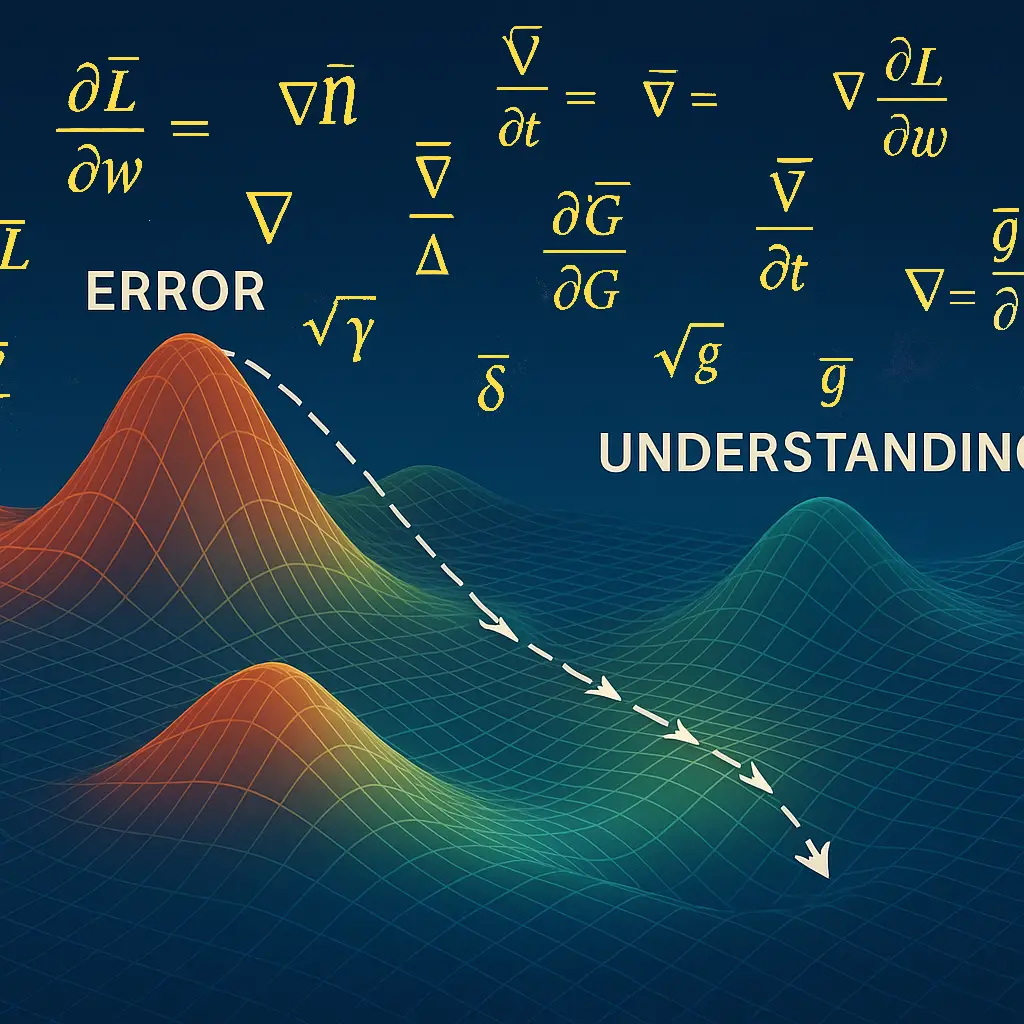
How derivatives tell a model which direction will reduce its prediction error How gradient descent turns billions of small corrections into learning How backpropagation uses the chain rule to assign error across many layers Why the learning rate controls the balance between fast progress and stable training Why noisy mini-batch updates can help a model generalize instead of memorize How transformers keep gradients stable while learning which patterns deserve attention What You'll Learn
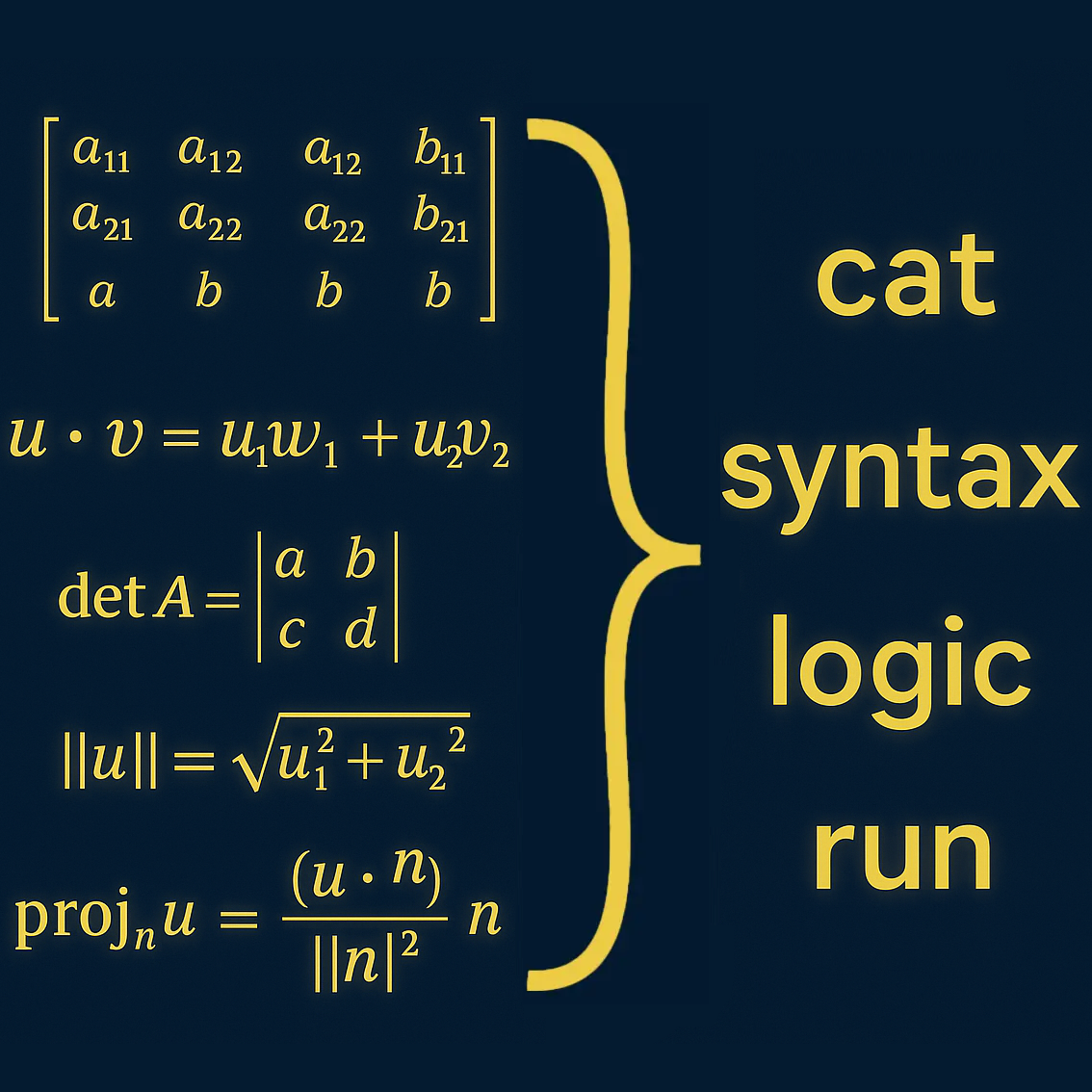
How an LLM turns words and tokens into numerical vectors it can process How distance and direction in embedding space can represent relationships in meaning Why linear algebra and geometry are two ways of describing the same internal structure How matrix operations transform information as it moves through a model Why high-dimensional spaces can represent many subtle features of language at once How probability guides a model from its current context toward the next token What You'll Learn
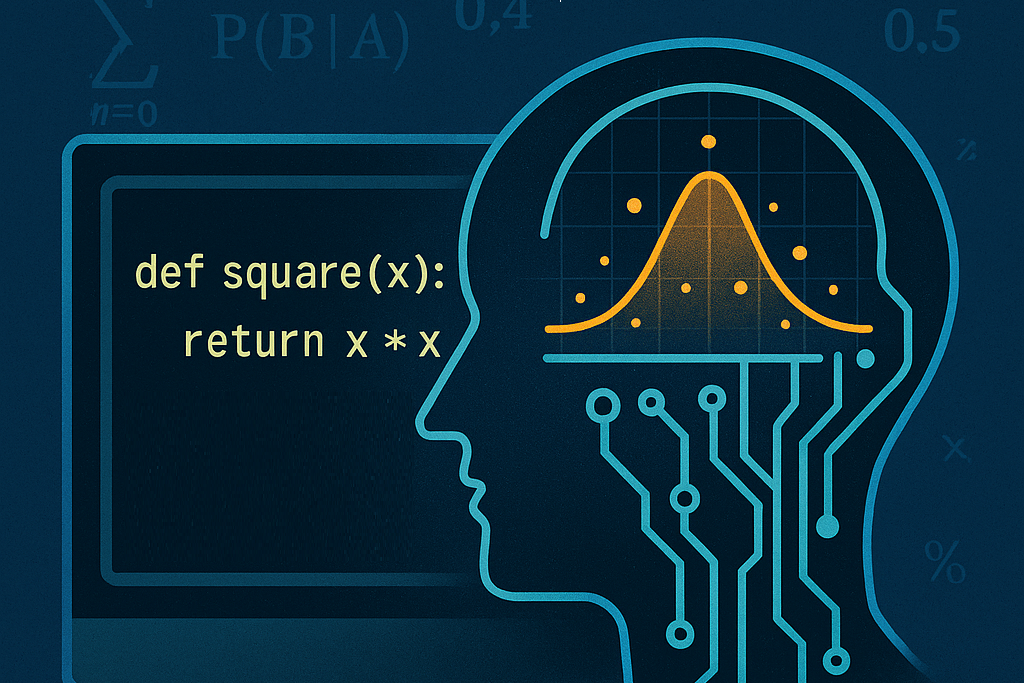
How an LLM reads code differently from a compiler or a human developer Why models recognize programming patterns instead of executing the code they see How embeddings let an LLM associate code with similar structures and meanings Why comments, variable names, and familiar coding idioms can change a model’s interpretation How statistically likely code can still be logically or operationally wrong Why combining generative AI with compilers and static analysis produces safer coding tools
×